

In the digital age, the healthcare industry continues to seek innovative solutions to improve patient care and streamline documentation processes. Among these solutions, medical dictation apps are becoming increasingly crucial for clinicians and healthcare facilities. These apps provide a hands-free method for recording patient encounters, enabling efficient data capture and management. As technology advances, the adoption of such tools is transforming the nature of medical documentation. Below, we’ll delve into the improvements that medical dictation apps provide to modern healthcare services.
The Role of Medical Dictation Apps in Modern Healthcare
Medical dictation apps play a pivotal role in the evolution of healthcare documentation. In the past, clinicians would spend considerable amounts of time writing or typing notes after patient interactions. This manual process was prone to errors and frequently resulted in a backlog of documentation work. Now, with the advent of dictation technology, healthcare professionals can transcribe patient information in real time, directly into electronic health records (EHRs). The detail and precision that a medical dictation app can capture ensure that nothing is overlooked, which is essential for delivering high-quality care.
Dictation apps enhance the accuracy of patient histories, allowing physicians to dictate notes while information is fresh. With specialized medical vocabularies and integration with EHR systems, these apps streamline the review and approval of notes, improving information flow in healthcare.
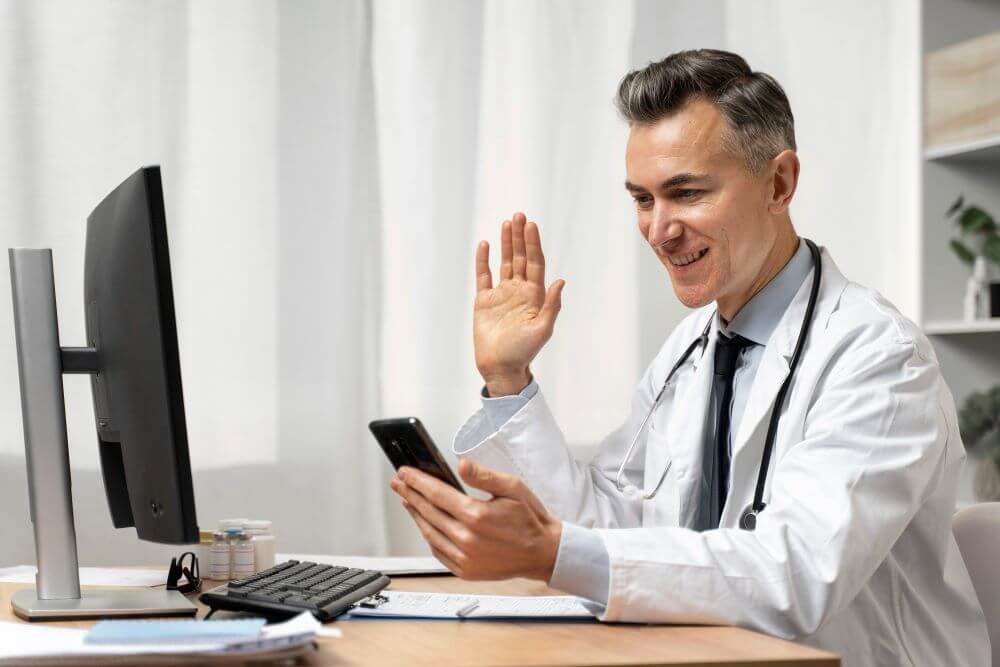
The functionality of dictation tools, including voice commands and device compatibility, significantly boosts clinical efficiency. By eliminating the need for keyboards and paper, healthcare providers can focus more on patient care, reducing mental fatigue and physical strain. For mobile medical professionals, the convenience of dictation on smartphones allows for note-taking anytime and anywhere, benefiting those who work in multiple locations.
Enhancing Clinical Documentation Efficiency With Dictation Technology
The efficiency of clinical documentation has been significantly improved by the implementation of dictation technology. Physicians are finding that when they speak their notes, it’s not only quicker but also allows them to capture more nuanced information as opposed to typing. This efficiency translates to more patients being seen and better quality information being recorded within patient records.
Dictation apps save hospitals and clinics time, reducing overtime hours and administrative costs while eliminating the need for external transcription services. This leads to financial benefits and minimizes transcription errors, reducing the risk of miscommunications. Beyond speed, dictation technology adapts to various workflows, whether in operating rooms or examination rooms. Customizable templates and macros streamline repetitive tasks, promoting efficient and personalized documentation.
Improving Patient Care through Accurate and Timely Records
One of the most significant contributions of medical dictation apps to healthcare is the improvement in patient care. With the facility to document details instantaneously, clinicians can create a more accurate and comprehensive patient record. This thoroughness is vital for future care providers who rely on historical data to make informed decisions about patient treatment plans.
By minimizing the time spent on paperwork, healthcare professionals can dedicate more attention to patients during appointments. This enables better engagement, understanding, and ultimately fosters patient trust.
Timeliness is also crucial in patient care, particularly in emergency situations. Dictation apps enable real-time documentation, ensuring that critical information is readily available to all members of the care team. This can be the difference between a swift, coordinated response and a delayed one that could compromise patient outcomes.
Streamlining Workflow and Reducing Administrative Burden for Healthcare Professionals
A key benefit of using medical dictation apps is the streamlining of workflow within healthcare establishments. By reducing the administrative load on clinicians, these apps allow practitioners to save valuable time that can be reallocated to direct patient care or professional development. This streamlining also leads to fewer hours spent on clerical work, resulting in a better work-life balance for healthcare providers.
Administrative burden has long been cited as a primary source of burnout in the medical profession. The relief provided by dictation technology, therefore, is not insignificant. Better managed workloads and decreased stress can result in higher-quality patient interactions and reduced turnover among healthcare staff.
With modern medical dictation apps, document sharing and collaboration become intuitive and efficient. The seamless integration into healthcare systems ensures that all team members have access to the latest patient information, enabling coordinated and cohesive care delivery. As team-based care becomes the norm, the importance of such collaborative tools cannot be overstressed.
Medical dictation apps provide a multifaceted solution that enhances the delivery of healthcare. These tools empower clinicians to maintain accurate records, spend more time with patients, and reduce administrative stress, all the while ensuring data security and compliance. The adoption of medical dictation technology represents a significant step forward in the ongoing effort to optimize healthcare services for both providers and patients.