


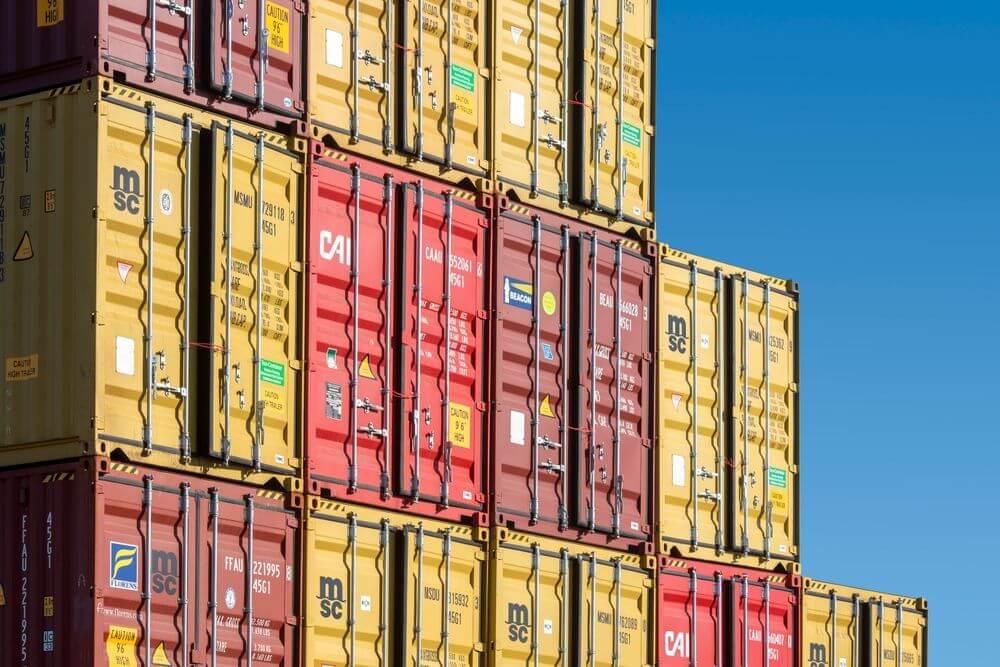
Global supply chains are dependent on the predictable movement of goods between countries, ports and warehouses. Shipping containers are a standardized method for the transport of products – this method is useful because it reduces uncertainty plus improves coordination during distribution. Containers keep cargo protected and in a consistent format, which helps companies maintain steady flows when demand or transport conditions change – this structure is helpful for business planning but also reduces the disruptions that are common in fragmented logistics systems. Over time, this reliability is a foundation for global distribution networks.
Standardization In Global Shipping
A primary advantage of containers is their uniform structure – this design allows goods to move between ships, trucks and trains without the need for repacking. Standardization is effective at reducing handling errors as well as increasing the speed of transfers between transport modes. Logistics operators are able to design systems based on specific dimensions, which improves warehouse planning and port efficiency. Because there are few variations in packaging or loading, global trade is synchronized and experiences fewer delays from manual adjustments or incompatible cargo formats.
Standardization is also supportive of coordination between international partners. Communication between suppliers, carriers next to distributors is clear and efficient when every shipment follows the same container framework – this consistency is responsible for reducing misunderstandings in documentation plus handling. Cross border trade is more reliable and structured.
Operational Consistency Across Networks
Containers are tools that maintain operational consistency across regions because goods are handled in the same manner in all locations – this practice reduces variability in logistics performance but also allows companies to use uniform processes globally. Distribution networks are easier to manage and scale, even when they involve multiple countries with different infrastructure levels.
Consistency is also beneficial for training as well as workforce efficiency. Employees follow standardized procedures for loading, unloading and storage, which reduces mistakes or is helpful for productivity. Businesses that intend to expand their physical logistics capabilities sometimes buy used shipping container options – this choice is a way to maintain cost efficiency while using a uniform system.
Risk Reduction In Transport Systems
Shipping containers are a form of protection for goods against weather, theft and damage during transit. Their sealed structure ensures that products are secure during long distance transport – this is important for global trade routes that require multiple transfers. Such protection helps companies avoid financial losses next to maintaining customer trust through reliable deliveries.
Risk reduction is also relevant to logistical planning – Shipments are easier to track and manage when containers are used, which makes misplacement or delays less likely. Businesses that aim to improve regional distribution capacity plus buy shipping container Vancouver solutions often experience greater stability in transport operations, because of improved control over the conditions of the shipment.
Inventory Control And Flow Management
Containers make inventory management easier – grouping large quantities of goods into units that are easy to track and move – this simplifies the monitoring of stock in warehouses but also distribution centers. It also reduces the complexity of managing many product types. Companies are able to respond to demand changes – shifting entire container loads instead of individual items.
Flow management is also a factor in supply chain responsiveness. Companies have more control over timing and scheduling when goods are stored as well as transported in containers – this reduces congestion at storage facilities and improves turnover rates – these factors help businesses maintain consistent product availability in global markets.
Scalability In Trade Networks
Containers are a scalable foundation for expanding distribution systems as businesses grow. Their modular nature allows companies to increase shipping volume – adding more units – this supports growth that is gradual or controlled. Scalability is useful in global trade because demand patterns often shift between regions.
Containers are also supportive of flexible expansion strategies because they make it easier to enter new markets. Companies are able to use existing logistics models in different locations without a total redesign of the system – this reduces costs and increases the speed of market entry while distribution performance remains stable.
Technology Integration In Container Logistics
Modern logistics systems integrate technology with container operations to improve tracking, forecasting and efficiency. Digital monitoring tools allow companies to see the location and condition of a container in real time – this visibility reduces uncertainty in long distance shipping plus helps businesses make decisions and adjust plans when disruptions occur.
Technology is also a tool for coordination between supply chain partners. Automated data sharing ensures that carriers, warehouses but also retailers are aligned regarding shipment status and delivery timing – this integration is a way to strengthen global distribution stability – reducing delays as well as improving communication during all stages of transport.
Improving Long Term Distribution Performance
Shipping containers are central to the stability and efficiency of global distribution systems. They are a key asset for modern logistics because they standardize transport, lower risk or support scalability. As supply chains expand, containers are increasingly significant for maintaining predictable flows of goods.
Businesses that use container based logistics build a foundation for long term growth. The structured use of containers maintains balance in complex distribution networks – this supports consistent performance even when market conditions change.