


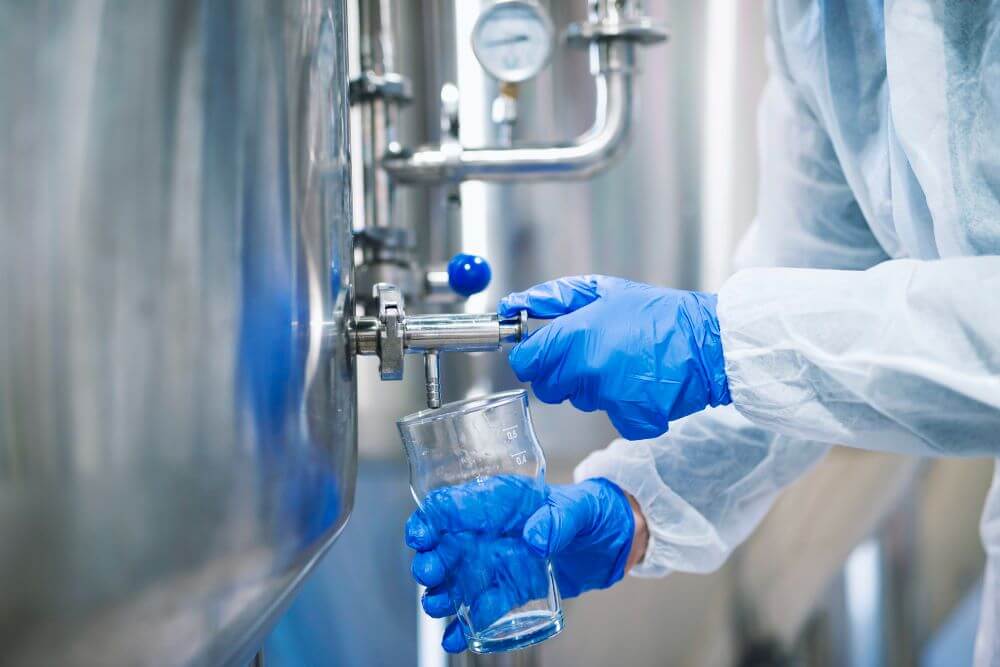
The demand for clean water has never been higher, with industries worldwide relying on efficient and effective water treatment systems. Among these systems, Reverse Osmosis, or RO, stands out as a technology offering several advantages for industrial applications. Industrial RO membrane systems are critical for achieving high levels of water purity, ensuring compliance with stringent environmental regulations, and reducing operational costs.
Enhancing Water Purity and Quality with RO Technology
One of the primary benefits of using an industrial RO memebrane system is the exceptional level of water purity it offers. RO membranes can filter out up to 99.9% of waterborne contaminants, including particles, pathogens, and chemicals. This makes it an invaluable process for industries that require high-purity water, such as semiconductor manufacturing and biotechnical firms.
Furthermore, RO water treatment enhances the quality of water by eliminating unpleasant tastes, colors, and odors. The water processed through an RO membrane system is often superior to that treated through conventional methods, providing industries with a reliable source of clean water for their various applications.
In addition to purification, RO technology is highly effective in softening water. By removing calcium, magnesium, and other scale-forming ions, it prevents scaling in boilers, coolers, and other equipment, leading to reduced maintenance costs and extended lifespan of machinery.
The integration of advanced monitoring and control systems has further improved the performance of RO membranes, allowing real-time adjustments to optimize efficiency and ensuring consistent production of high-quality water.
Cost-Effectiveness of Industrial RO Systems for Large-Scale Operations
While the initial investment in an industrial RO system can be substantial, the long-term savings make it a cost-effective choice for large-scale operations. RO systems reduce the need for expensive and environmentally hazardous chemicals that are often used in other water treatment methods.
Moreover, due to their concentrated waste streams, RO systems make it easier to reclaim and recycle water within the industrial processes, thereby significantly reducing water consumption and disposal costs. Enterprises thus benefit from lower water bills and a more sustainable operation model.
Energy efficiency is another factor that contributes to the cost-effectiveness of RO systems. As technology advances, newer RO membranes require less pressure to achieve the desired permeate flow, resulting in lower energy consumption—further driving down operational costs.
RO systems also tend to have fewer moving parts compared to traditional water treatment setups, which translates into reduced maintenance requirements and downtime. This is particularly beneficial for operations where uninterrupted water supply is critical.
RO Membranes’ Role in Meeting Regulatory Standards for Water Treatment
Adhering to regional and global water quality regulations is a constant challenge for industries. RO systems play a pivotal role in ensuring that the water discharged from industrial processes or utilized in products meets or exceeds these standards.
RO membranes have the capability to remove a broad range of pollutants, including heavy metals, pesticides, and emerging contaminants. This proficiency in purification not only protects ecosystems but also helps companies avoid legal ramifications and hefty fines associated with non-compliance.
By adopting RO technology, industries can also demonstrate their commitment to environmental stewardship. Through enhanced water recovery rates and reduced chemical usage, RO systems align with the principles of sustainable development and corporate social responsibility efforts.
Longevity and Sustainability: The Advantages of RO Systems in Industry
The durability and longevity of RO systems are significant advantages for industrial users. Designed for continuous operation, these systems can provide reliable performance for many years when properly maintained, reducing the need for frequent replacements and thus minimizing waste.
From a sustainability perspective, RO technology supports water conservation efforts. As scarcity becomes a growing concern, the ability of RO systems to turn non-potable sources into high-quality water contributes to the availability of this precious resource. Closed-loop systems further exemplify this by recycling the water used within the industrial process, thus promoting a more sustainable cycle.
In addition to addressing water scarcity, RO systems contribute to environmental protection by significantly reducing the load of pollutants entering the natural water cycle. Industries striving for a greener image and eco-friendly operations often turn to RO technology as a reliable and responsible choice.
As climate concerns continue to shape public policy and consumer behavior, industries incorporating RO systems can position themselves at the forefront of efficient and environmentally conscious water management. The benefits to both business and ecosystem health are apparent, as RO treatment supports sustainable industry practices and the protection of global water reserves.
Overall, the integration of Industrial RO membrane systems into water treatment processes offers an array of benefits. By leveraging the strengths of RO systems, industries can ensure a responsible and efficient use of one of our most valuable natural resources.