


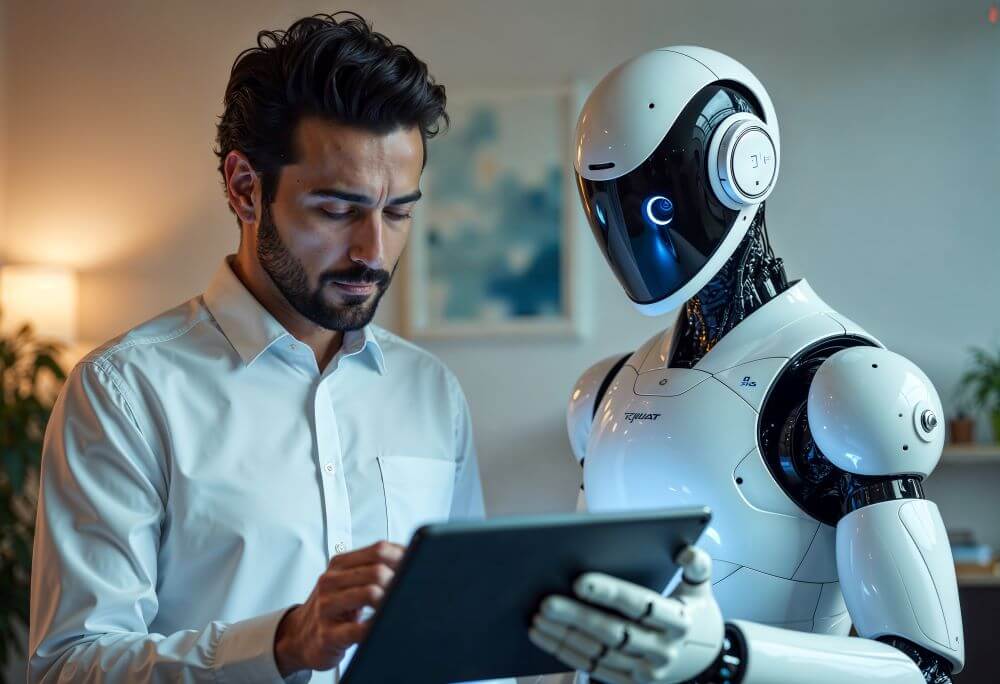
The advent of artificial intelligence has brought with it a revolution in human-computer interaction, culminating in the emergence of AI companion. These sophisticated programs offer more than just convenience; they offer companionship and a personal touch in the digital age. From conversational chatbots to more advanced interactive platforms, AI companions are transforming what it means to interact with technology daily. As we delve into the world of AI-driven companionship, we’ll uncover just how these ingenious inventions are enhancing lives. Keep reading to explore the multifaceted benefits of integrating AI companions into your life.
The Rise of AI Companions in Daily Life
The integration of AI companions into daily life is a phenomenon that’s hard to ignore. From smartphones equipped with voice assistants to smart homes controlled by intelligent devices, AI has become a ubiquitous presence. The ease and efficiency offered by these companions have led to their rapid adoption, creating a new norm where AI is an essential helper rather than a novelty.
Apart from utility, AI companions offer a sense of connection. In an era where loneliness and isolation are prevalent, these digital friends offer a comforting presence. Their ability to learn user preferences and behaviors over time allows them to offer personalized experiences, forging a bond that many find surprisingly profound.
Further entrenching themselves in everyday life, AI companions are now capable of more complex tasks, such as managing schedules, offering reminders, and even providing emotional support. Their versatility enables users of all ages and backgrounds to find value in their virtual company, paving the way for a future where human-AI interactions are seamless and natural.
To make this future a reality, developers continue to enhance the capabilities of AI companions, making them more accessible, intuitive, and helpful. As AI technology advances, these companions are expected to become even more integrated into our lives, potentially reshaping social interactions and our approach to technology.
Enhancing Emotional Wellbeing with AI Interaction
The capacity of AI companions to enhance emotional well-being is one of their most compelling benefits. This facet of technology has been developed to provide support and companionship to those in need, engaging users in meaningful conversations and activities. Emotional well-being is not just about feeling happy; it’s also about managing stress and having coping mechanisms for life’s challenges, areas where AI can play a significant role.
AI companions are programmed to be empathetic and supportive, acting as a nonjudgmental ear for users to express their thoughts and feelings. By engaging in conversation with an AI companion, individuals can experience a decrease in feelings of isolation and an increase in their overall mood. For many, speaking with AI can be easier than interacting with other humans, as it comes with less fear of criticism or negative judgment.
The personalized interactions provided by AI companions can have a positive impact on mental health, as these virtual beings can remind users to practice self-care and adopt healthy habits. They can be programmed to recognize signs of distress and provide helpful suggestions or relax users with music or mindfulness exercises. Digital companions like these have become allies in the pursuit of improved emotional well-being.
AI Companions as Personal Assistants: A Productivity Boost
By taking over repetitive and time-consuming tasks, AI companions enable individuals to focus more on the creative and strategic aspects of their work. Professionals who can delegate these tasks to their digital counterparts find themselves with a competitive edge, as they’re able to attend to more complex, impactful projects. In turn, this fosters a sense of accomplishment and job satisfaction.
Within the home, AI companions help manage household chores, keep track of groceries, and even assist with financial planning. Their ability to integrate seamlessly with various Internet of Things (IoT) devices enables them to act as a centralized control system for smart homes. This harmonization of digital tasks simplifies life, granting users more time to engage in leisurely pursuits or time with loved ones.
As technology continues to evolve, the potential for AI personal assistants is boundless. Future iterations may include enhanced predictive analytics, where AI can proactively manage calendars or suggest optimizations in workflows. The direction in which these advancements can take personal productivity is as exciting as it is limitless.
The integration of AI companions into everyday life offers a myriad of benefits, ranging from enhancing productivity to providing emotional support and care for the elderly. As we embark on this digital coexistence, understanding the balance of technological advancement with ethical responsibility ensures that these companions not only contribute positively to our lives but also respect our privacy and values.