


The global supply chain is often seen as a well-oiled machine, carefully synchronized to deliver goods from producers to consumers with efficiency. Yet, when seasonal demand shocks arise, this finely balanced network shows its vulnerabilities. Seasonal demand shocks—whether during the holiday shopping season, harvest periods, or sudden weather-driven spikes—place extraordinary stress on logistics systems.
These stresses expose structural weaknesses in planning, infrastructure, and adaptability, forcing industries to reassess their strategies. Understanding these weaknesses is essential to strengthening networks that can sustain fluctuating demand while avoiding breakdowns.
Bottlenecks in Transportation Infrastructure
Transportation infrastructure is often the first area to reveal fragility under seasonal stress. Highways, ports, and railways face congestion when demand surges beyond capacity. During periods of heightened demand, trucking firms struggle to find drivers, causing delivery delays.
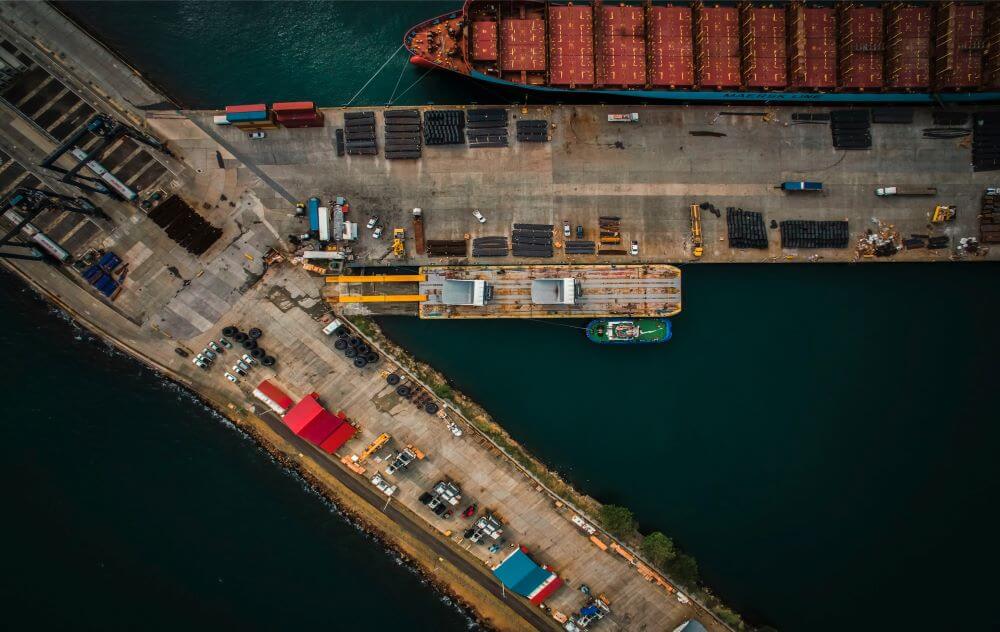
Similarly, container ports become congested as vessels wait days for docking slots. These bottlenecks cascade through the supply chain: manufacturers run low on raw materials, retailers face empty shelves, and consumers experience delivery delays.
Handling Seasonal Strain
One of the most overlooked yet critical aspects of logistics efficiency lies in the machinery used in warehouses, ports, and distribution hubs. Forklifts, conveyor systems, and other industrial transport vehicles are indispensable during seasonal peaks, keeping operations steady when demand surges. For example, if you use specialized equipment from Taylor Dunn, you’d know that finding replacement parts can often be challenging.
This is where companies like Intella Parts can be useful. Visit https://intellaparts.com to find aftermarket components for your equipment to ensure they remain reliable during periods of intense pressure. By focusing on equipment readiness, businesses strengthen their ability to withstand the disruptions seasonal shocks bring.
Inventory Management Under Pressure
Seasonal demand shocks also strain inventory management practices. Just-in-time (JIT) systems, while efficient under normal circumstances, falter during sudden surges. Retailers relying on lean inventories face out-of-stock scenarios that frustrate customers and erode trust. On the other hand, firms attempting to build safety stock encounter challenges in storage capacity and carrying costs. Seasonal fluctuations reveal the balancing act between cost efficiency and resilience.
The Human Workforce as a Weak Link
Labor shortages during seasonal peaks are another glaring weakness in logistics networks. Warehouses and distribution centers often depend on temporary staff during demand surges, but the onboarding of inexperienced workers can slow down operations. Moreover, driver shortages amplify the stress on trucking and last-mile delivery. Training, safety, and productivity challenges increase when seasonal labor is integrated into the system under tight timelines.
The Impact of Technology Limitations
While digital tools like predictive analytics, routing algorithms, and warehouse management systems have transformed logistics, they are not immune to failure during extreme seasonal shocks. Forecasting models often struggle with the unpredictability of sudden demand spikes, particularly when external factors such as weather, pandemics, or geopolitical events play a role. Routing software may fail to adapt quickly to real-time congestion, and warehouse systems may not handle the complexity of demand surges without human intervention.
Supplier and Vendor Fragility
A single weak supplier can unravel the entire logistics chain during seasonal surges. When component suppliers fail to meet increased production demands, downstream companies suffer delays. Smaller vendors are particularly vulnerable since they often lack the resources to ramp up production quickly. Seasonal shocks thus expose the fragility of vendor relationships, revealing the dangers of relying too heavily on single-source suppliers. Building redundancy into supplier networks becomes critical, but it is often neglected in the pursuit of cost savings.
Last-Mile Delivery Strain
Last-mile delivery consistently emerges as one of the most stressed segments of the logistics system during seasonal peaks. Consumers demand faster, more precise delivery windows, putting immense strain on carriers. Delivery fleets struggle with volume spikes, while urban congestion exacerbates delays. The rise of e-commerce has intensified this problem, with seasonal sales events generating order volumes that exceed capacity.
Financial and Strategic Shortcomings
Seasonal demand shocks also uncover financial vulnerabilities in logistics networks. Companies operating on thin margins find it difficult to absorb the costs of expedited shipping, overtime labor, or emergency procurement of goods. Inadequate financial planning amplifies these issues, leading to short-term fixes rather than long-term solutions. Moreover, strategic shortsightedness—failing to prepare for predictable seasonal surges—shows up starkly during crises.
Global Interdependence and Vulnerability
Seasonal demand shocks in one region often ripple across global supply chains. For example, a surge in consumer demand in one market can drain production capacity in another, creating shortages worldwide. This interdependence magnifies the weaknesses of logistics networks, as disruptions cannot be isolated. Seasonal peaks reveal how tightly global supply systems are woven together, showing that regional surges are not local issues but global challenges. This interconnectedness underscores the need for coordination across borders, but such coordination remains inconsistent.
Environmental and Sustainability Challenges
Sustainability goals also come under strain during seasonal demand shocks. To meet sudden surges, companies may increase reliance on less efficient transportation methods, such as air freight, which significantly increases carbon emissions. Similarly, expedited packaging and waste from returns grow during seasonal peaks, undermining sustainability initiatives. These pressures reveal the tension between efficiency, responsiveness, and environmental responsibility. The weaknesses exposed here are not just logistical but reputational, as companies struggle to balance customer satisfaction with sustainability promises.
Pathways Toward Resilience
The weaknesses revealed by seasonal demand shocks provide valuable lessons for building stronger logistics networks. Resilience requires a combination of infrastructure investment, adaptive technology, diversified supplier bases, and workforce strategies that reduce reliance on temporary fixes. Building redundancy into supply chains, developing flexible inventory models, and fostering strong relationships with vendors are essential steps. At the same time, technology must evolve beyond static forecasting to embrace adaptive, real-time responsiveness. Organizations must balance cost efficiency with resilience, recognizing that preparedness is a competitive advantage in a world of inevitable seasonal fluctuations.
Seasonal demand shocks act as stress tests for logistics networks, pulling back the curtain on weaknesses that remain hidden during steady-state operations. From bottlenecks in infrastructure to fragility in supplier networks, these events reveal how closely efficiency and vulnerability are linked. While no system can eliminate disruptions entirely, organizations that confront these weaknesses head-on are better positioned to adapt, recover, and sustain performance when the next surge arrives.