


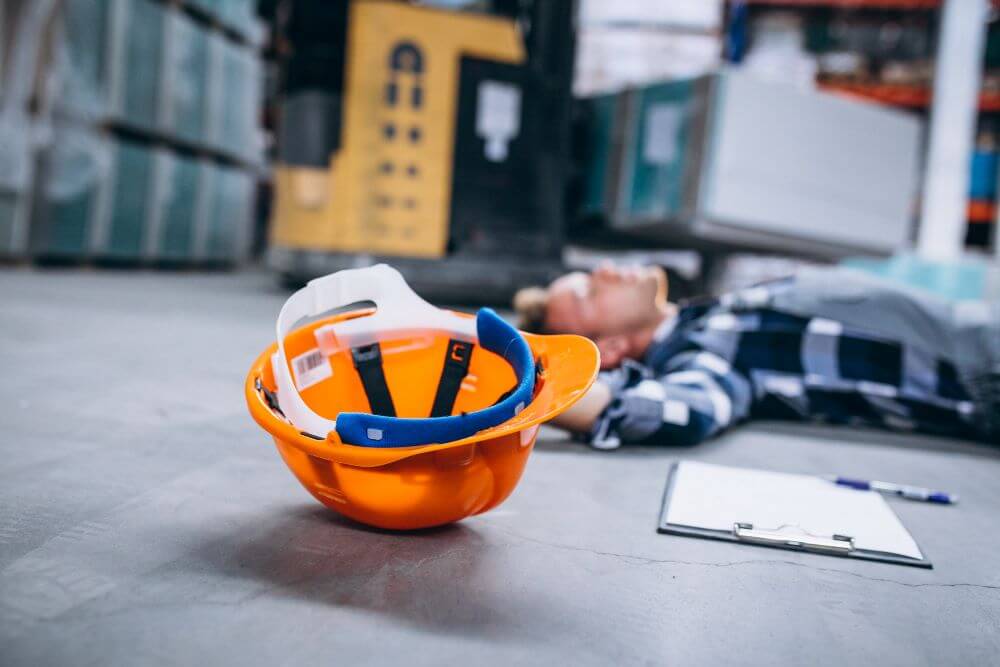
The latest report by the U.S. Bureau of Labor Statistics states that 1,075 deaths occurred at job sites in the construction industry. Falls, slips, and trips accounted for 39.2 percent of construction fatalities.
Accidents can still happen despite maximum efforts toward safety at the workplace. According to construction injury lawyer Briana E. Chua, those who suffer an illness or accident in the construction field should take action to claim their workers’ compensation benefits right away.
Liability for injuries to a worker or innocent bystander is complicated and difficult to determine.
Contractors, subcontractors, construction companies, and even equipment manufacturers can be potentially liable for construction injuries depending on the scenario.
Let’s find out how to determine who should be accountable for a construction injury case.
Understanding Construction Site Liability
Everyone working on a construction site must contribute to safe practices at work. Safety precautions must not be disregarded, and anything that fails to perform its intended function might involve common liability among all parties involved in the design or construction.
Both contractors and managers help maintain safety at the construction site.
Workers’ compensation laws require employers to provide benefits for medical treatment and wages to injured employees, regardless of who was at fault.
The Role of General Contractors
General contractors are responsible for overseeing entire projects and implementing measures that ensure safety and compliance. The contractors will be liable and accountable in the case of accidents if they violate safety rules or improperly train their workers.
Contractors are supposed to inspect the site periodically, remove all hazards, and train their workers in safety matters. If a worker disregards any safety regulation, contractors could face liability for accidents.
Subcontractor Responsibilities and Liabilities
Many accidents can happen in construction sites. Examples include falling off scaffolding, equipment malfunction, or injuries resulting from falling objects or debris. Depending on the circumstances of a case, a subcontractor, manufacturer of equipment, or property owner can share responsibility too.
Contractors are supposed to set the stage for safety, but it is the subcontractors who go out and implement the actual interventions on the site. Subcontractors are responsible for checking that the work complies with current safety codes and standards.
If an injury occurs through a negligent act or omission in a subcontractor’s area of expertise, they will be held liable.
Equipment Manufacturers and Product Liability
The equipment manufacturer might not be present at a construction site but has an important role in a construction injury case, especially in instances where the tool or equipment failed. If an injury is caused by malfunctioning equipment, you may have a cause for action against the equipment manufacturer.
Manufacturers of construction tools and equipment should have their products undergo testing for quality as an assurance of safety for use and for resistance to working conditions on the construction site. These products should have no design flaws that can lead to serious malfunctions.
If a tool broke from a faulty design or manufacture, then you may have grounds to seek damages. To help you, you should start gathering proof about the equipment, like records of its care and user guides. If you know your rights, you can use them to get justice.
Site Owners and Their Legal Obligations
In cases of building injuries, site owners are legally required to enforce measures to keep the workplace safe. They should see to it that all safety rules are followed and that known dangers are taken care of.
Injuries can be the basis for lawsuits against negligent site owners. Workplace injuries are bad for worker morale and could lead to loss of productivity.
Your commitment to safety means the direct protection of workers. Promoting workplace safety gives a sense of ownership and helps unite the entire construction workforce.