


In the razor-thin margins of the Consumer Packaged Goods (CPG) world, two metrics dictate success: Share of Shelf (SOS) and competitive pricing. They are the twin pillars of retail triumph. Yet, for decades, brands have relied on a hopelessly outdated system to monitor these vital signs: the manual field audit. Think about it: a field rep, armed with a clipboard and a camera, walking aisles, tediously counting facings. These audits are slow, wildly expensive, prone to fatigue and human error, and—worst of all—the data they produce is already stale by the time it reaches the decision-maker’s desk. That lag is a death sentence in a market where pricing changes hourly. This is where image recognition for retail storms the stage. We are talking about Image Recognition (IR) technology, a disruptive solution that delivers real-time, objective, and scalable competitive intelligence directly from the retail floor. This article is your guide to leveraging this shift for dynamic retail mastery. It is the evolution of retail image recognition technology into a strategic weapon.
The Power of Vision: How Image Recognition Transforms SOS
Real-Time, Objective Shelf Measurement
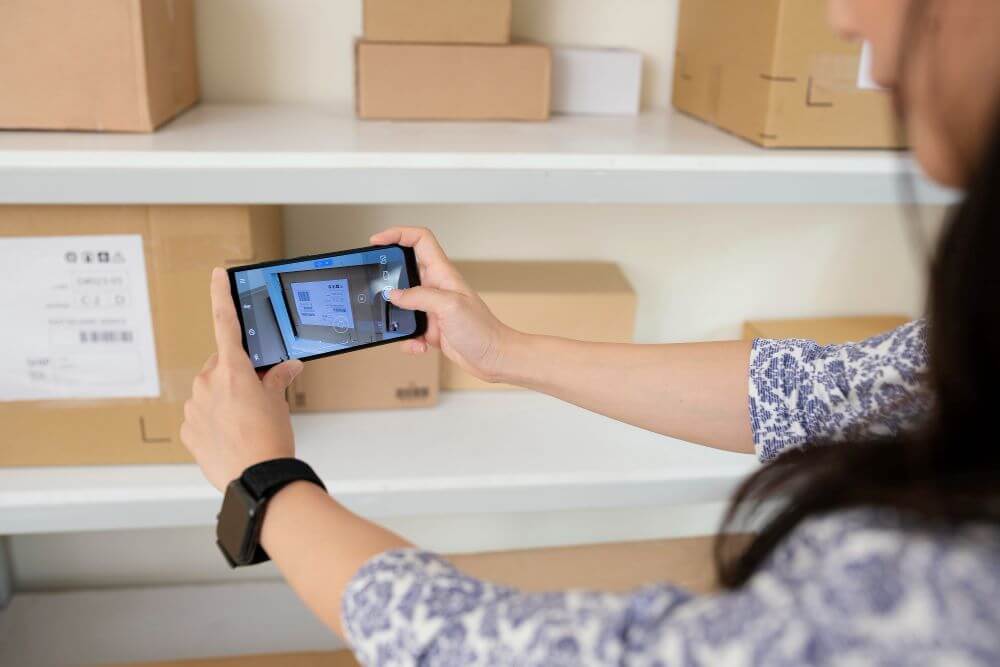
The mechanics of modern image recognition in retail are nothing short of revolutionary. Whether the images are captured by a field representative’s phone or a permanently mounted store camera, the underlying AI software instantly begins processing. It identifies every single product on the shelf—yours and your competitors’—counts the facings, and precisely measures the total linear space. This provides a granular, objective, and quantifiable measure of your SOS. Do you see the immediate power here? This objective data eliminates those messy, protracted disputes with retailers who often claim compliance when they haven’t delivered. It ensures planogram compliance is enforced with mathematical certainty, transforming SOS from a subjective, arguable measure into a precise, undeniable metric used for accurate image recognition retail execution. It turns “I think we’re losing space” into “We are 4.2% below our negotiated SOS in all East Coast hypermarkets.”
Tracking Competitor Promotions and Out-of-Stocks
The beauty of image recognition retail goes far beyond simple counting. This technology is your secret spy on the retail floor. It can instantly identify and categorize key competitive actions that a human eye might miss or fail to standardize. The system alerts you immediately to the promotional signage your rivals are deploying, the specific SKUs they are promoting, and where those products are placed. Most critically, it gives you near real-time visibility into out-of-stock (OOS) rates. If your main competitor is suddenly OOS in 40% of their stores in a key region, that is a massive opportunity you need to capitalize on now, not next week. This intelligence allows your brand to react not in weeks, but in hours, enabling you to swiftly counter promotional threats or seize market share by executing agile pricing adjustments.
Dynamic Pricing Mastery via Real-Time Intelligence
The Link Between Shelf Placement and Price Strategy
If SOS is the visibility of your product, pricing is its gravitational pull. The two are inextricably linked. The synergy between high-fidelity SOS data and your pricing strategy is a game-changer. If you receive an alert from your retail image recognition platform indicating that a key competitor has unexpectedly secured prime eye-level shelf positioning in a specific regional chain, that information warrants a response. It might necessitate a localized, temporary price adjustment or a targeted promotion to neutralize their advantage and maintain your market share. This technology facilitates the shift from static, reactive pricing—where prices are adjusted based on historical sales data—to dynamic, data-driven pricing models informed by real-time retail realities. This is the difference between guessing your competition’s next move and knowing it, allowing you to stay profitable and competitive.
Key Metrics Delivered by Image Recognition (The ONLY List)
The actual value of this technology lies in the specific, quantifiable, and previously inaccessible data points it reliably extracts. These are the actionable intelligence metrics that empower your sales and category teams.
- SOS Percentage: Provides the exact, unbiased measurement of the brand’s share of total linear shelf space (facings) against category rivals.
- Planogram Compliance: Offers instant verification that products are placed precisely according to the negotiated layout, reducing compliance leakage.
- Pricing Compliance: Captures accurate shelf-edge pricing for the brand and its key competitors, providing the foundation for retail AI image recognition and dynamic pricing strategies.
- Promotional Presence: Identifies and tracks all competitor signage, shippers, displays, and special tags that indicate active promotional tactics.
Driving Strategic Retailer Negotiation
Imagine walking into a meeting with your retailer no longer needing to rely on conjecture or six-week-old data. The data provided by image recognition for retailers fundamentally transforms the brand’s relationship with its partners. The conversation shifts from a subjective, desperate plea—”We think our share is low, please help us”—to a data-backed negotiation with indisputable evidence. You can confidently assert, “Our planogram compliance is averaging a disastrous 65% in the Northeast, and that non-compliance is provably costing the retailer X thousands in lost sales and velocity.” This objective metric shifts the brand’s posture from a supplicant to an informed, strategic partner. Armed with this verifiable data, you can confidently negotiate better shelf placement, justify higher product allocations, or secure superior promotional funding because you have the hard metrics to prove your case.
Conclusion
The days of relying on flawed, slow, and expensive manual shelf audits are over. Image Recognition technology is not just an incremental upgrade; it is the essential, core transformation for modern CPG competitive intelligence. By eliminating the inaccuracies and latency of traditional methods, IR provides the real-time, objective data necessary to master Share of Shelf and its corresponding planogram compliance. This information empowers your brand to execute truly agile pricing adjustments and successfully drive powerful, data-backed negotiations with retailers. Leveraging this retail image recognition technology is the definitive path toward securing maximum sales, minimizing out-of-stocks, and achieving sustainable market dominance in the fiercely competitive retail environment.


 world, two metrics dictate success: Share of Shelf (SOS) and competitive pricing.)