


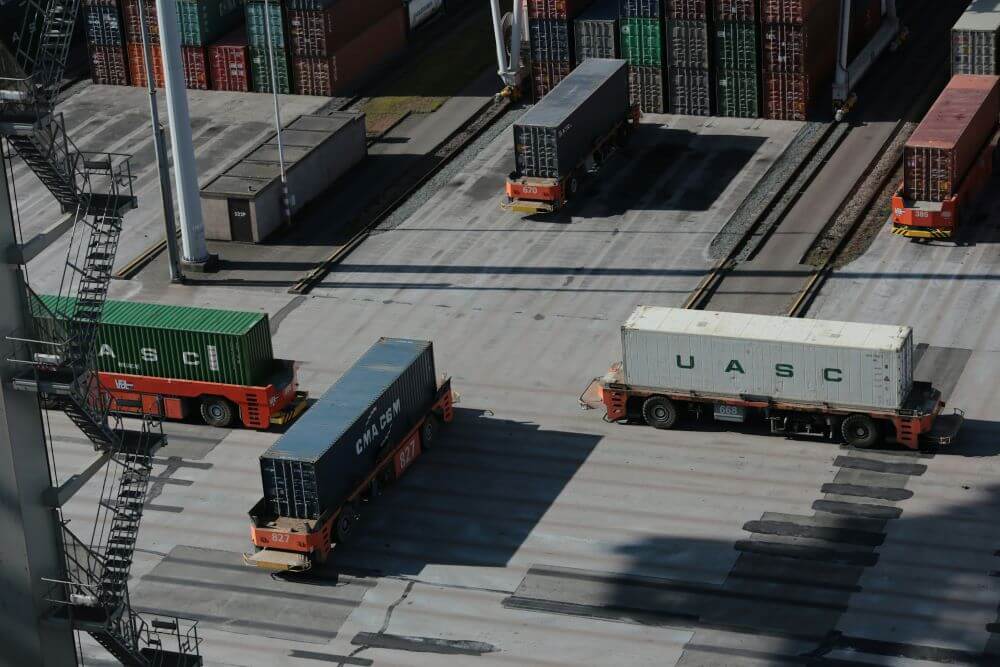
Freight brokers, carriers, and shippers utilize various modes of transportation to ensure that goods reach their destination on time and in optimal condition. The goods can be shipped using trucks, freight planes, ships, or even trains. Often, goods are shipped using multiple modes of transportation. This is what is known as multimodal transport.
However, multimodal transport, though a lucrative option, comes with its challenges. This is because tracking goods is challenging when multiple modes of transportation are used. Today, several tracking techniques and technologies are employed for multimodal transport tracking to ensure that goods are not lost or damaged during transit.
Main Modes of Multimodal Transportation
As mentioned above, multimodal transportation involves combining various modes of transport. The primary modes of transportation include rail, road, air, and sea, each offering various advantages. Combining these modes facilitates route optimization, enhances logistics, reduces transit times, and improves overall efficiency.
Benefits of Multimodal Transport Tracking
For multimodal transport, it becomes essential for the transport agents and carriers to have a tracking system in place. These days, many techniques and technologies can be used for multimodal transport tracking. The benefits of these systems are as follows:
- A tracking system helps track shipments in real-time across multiple modes of transport.
- With a tracking system, service providers can coordinate operations, facilitate easy movement, and plan efficient routes, making the transport of shipments seamless and smooth.
- In multimodal transport, a tracking system can be utilized to mitigate bottlenecks and optimize the transport process in a cost-effective manner.
- With the help of a tracking system, the shipment arrives at the right destination at the right time. Moreover, the correct information is available to customers as needed. This enhances customer satisfaction.
Challenges of Multimodal Transport Tracking
The very fact that more than one means of transport is involved in the shipment of goods in multimodal transport poses a challenge in multimodal transport tracking. These challenges are detailed below:
- Lack of Unified Tracking
When goods are moved between different transport modes, customers are unable to track their shipments. This is because the tracking data may be delayed or not updated at the correct time among multiple transport modes. This also leads to the tracking information becoming fragmented or lost entirely.
- Data Inconsistency
In multimodal transport, each transportation mode utilizes its own data, data entry, and update systems, as well as its own data format. This means that the data formats and, therefore, the data related to shipments are never consistent and integrated, making it difficult to rely on.
- Information Delays
A very common challenge of multimodal transport tracking is information delays. The various carriers update the information at various times. Sometimes, the carriers may not provide the information at all. Sometimes, this information may be provided later than required, making it useless. In turn, it leads to confusion and customer dissatisfaction.
- Lack of Communication
When multiple transport agents and modes are involved, communication gaps tend to occur. When there are communication gaps, there is also poor coordination among the carriers of goods. This often results in shipment delays.
- Unexpected Delays
Delays can occur for several reasons in multimodal transport, including bad weather conditions, breakdowns of transportation means, and customs clearance. In such cases, all modes of transportation are affected, and handling such delays also becomes challenging.
- Regulatory Issues
In multimodal transport, each mode of transportation has its own set of regulatory guidelines. All carriers are required to abide by these rules. Therefore, it becomes challenging for the originator of the shipment of goods to keep track of these guidelines and ensure that certificates and licenses are up to date.